


Cold winter weather changes how your home feels on the inside, not just how it looks outside. When your heating system runs more often, it pulls moisture out of the air, leaving rooms feeling dry, uncomfortable, and harder on your body and your home. You might notice scratchy skin, irritated sinuses, static shocks, or even wood surfaces becoming brittle.
Why Indoor Air Gets So Dry in Winter
When cold weather settles in, the air outside holds very little moisture. As that air moves indoors and gets heated, it becomes even drier. Your heating system does its job by warming the space, but it does not add moisture back into the air. As a result, the air inside your home loses balance during the winter months.
Warm air can hold more moisture than cold air, so when outdoor air heats up inside, it pulls moisture from wherever it can. That includes your skin, your sinuses, wooden floors, furniture, and even houseplants. Long heating cycles make the issue worse because warm air keeps circulating without any added moisture. Drafts, leaky ductwork, and frequent door openings also allow dry outdoor air to enter and replace the limited moisture inside.
This is why winter homes often feel stuffy and dry at the same time. You may raise the thermostat when the space feels cold, but the discomfort often comes from dryness rather than a lack of heat. Balanced humidity helps warm air feel softer and more comfortable. Without it, your home can feel harsh even when the temperature is set where you want it.
Signs Your Home Needs More Humidity
Dry indoor air leaves clear clues if you know what to watch for. Your body often notices first. Dry skin, cracked lips, itchy eyes, and sore throats tend to show up quickly when moisture levels drop. You may wake up feeling dehydrated even after drinking water the night before. Nasal passages dry out, leading to irritation and discomfort during sleep.
Your home offers signs, too. Static shocks become frequent when you touch metal surfaces or flip a light switch. Wood furniture may start to look dull or feel rough. Hardwood floors can shrink slightly, creating gaps between boards. Doors may stick or shift as wood dries out. Instruments like guitars or pianos may drift out of tune more often.
Another sign appears in how your heating system feels. Warm air feels sharp and thin when humidity drops. You might raise the thermostat only to feel little relief. If you rely on portable humidifiers in multiple rooms or constantly refill small units, your home is likely calling for stronger, whole-space dry air solutions that treat the entire space rather than isolated spots.
Benefits of Using a Humidifier in Winter
Adding moisture back into your home during winter changes how the space feels day to day. One of the most noticeable winter humidifier benefits is comfort. Moist air feels warmer against your skin, which means you may feel comfortable at a lower thermostat setting.
Humidity also supports healthier breathing. Moist air helps keep nasal passages from drying out, which reduces irritation and nighttime discomfort. Many people notice fewer dry coughs and less throat irritation when humidity levels stay within a healthy range. Sleep often improves because airways stay more comfortable throughout the night.
Your home benefits as well. Wood surfaces hold their shape better when moisture stays balanced. Furniture, trim, and flooring remain stable instead of drying out and shifting. Static electricity decreases, making daily movement more comfortable. Plants retain moisture longer and look healthier.
Humidity also supports air quality. Moist air allows dust to settle rather than float freely, which can make the space feel cleaner. When combined with HVAC humidifier systems, moisture distributes evenly rather than collecting in one area. This consistency helps the entire home feel balanced rather than uneven from room to room.
Choosing the Right Humidifier for Your Home
Not all humidifiers work the same way, and choosing the right option depends on how your home is laid out and how you use it. Portable units treat single rooms and need frequent refilling and cleaning. They can help in the short term, but they often struggle to keep up with larger homes or open floor plans. Many homeowners grow tired of managing multiple devices throughout the house.
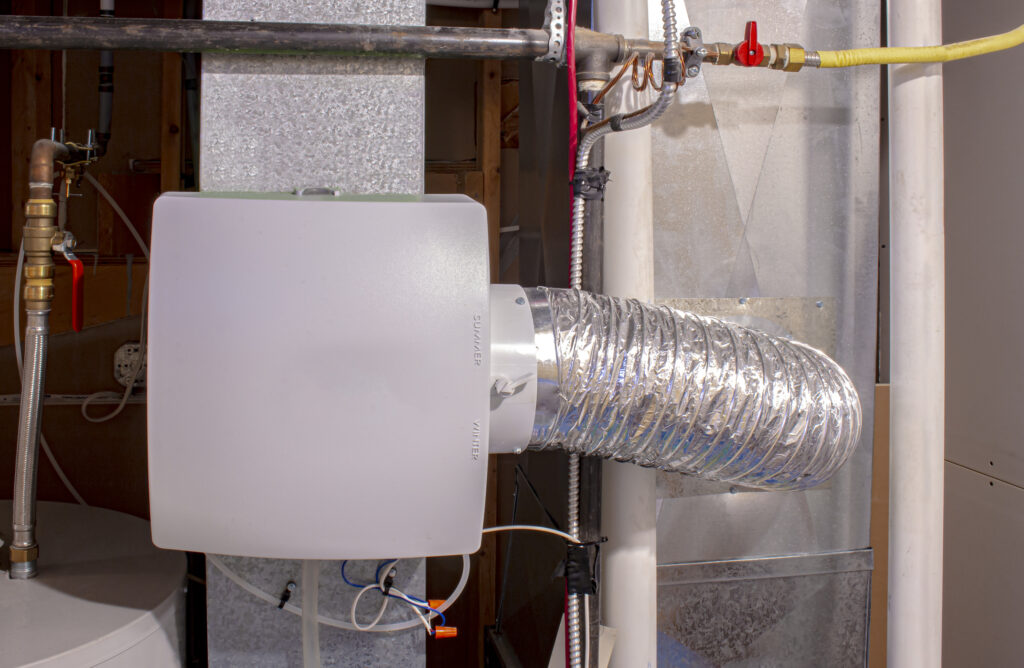
A whole-home humidifier connects directly to your heating system and treats the air as it circulates. This setup allows moisture to spread evenly through every room rather than concentrating in one space. A whole-home humidifier also runs automatically based on humidity settings, eliminating daily maintenance tasks like tank refilling.
Placement, airflow, and system compatibility matter when choosing the right equipment. The humidifier needs to match the home’s size and the heating system’s output. Professional installation helps avoid moisture imbalance, water buildup, or system strain.
Before selecting a system, it helps to understand how air moves through your home and where moisture loss happens.
Ideal Indoor Humidity Levels
Indoor humidity during winter should stay within a range that supports comfort without causing moisture buildup. Most homes feel best when humidity levels stay between 30% and 50% during colder months. This range keeps the air comfortable while protecting surfaces and air quality.
If humidity drops below this range, dry air symptoms increase. If humidity rises too high, condensation can form on windows and other cool surfaces. Balanced levels prevent both extremes. Monitoring humidity helps you adjust settings as outdoor conditions change.
Modern systems regulate humidity automatically, responding to indoor conditions as heating cycles run. This balance supports comfort without constant adjustments. Consistent levels help the air feel softer, warmer, and easier to breathe.
Improve Comfort and Air Quality This Winter With Dowd
Winter comfort goes beyond just warm air. Managing indoor humidity helps protect your comfort, your home, and your heating system’s performance during the coldest months. At Dowd Heating & Air, we help homeowners improve indoor comfort through heating system maintenance, humidifier installation, and airflow adjustments that support healthier indoor air quality. Call Dowd Heating & Air in Hatboro, PA.
Frequently Asked Questions
Can Too Much Humidity Be A Problem In Winter?
Yes, excess moisture can cause issues if humidity rises above a healthy range. Too much moisture may lead to condensation on windows and cooler surfaces. This environment can affect comfort and the materials used in the home.
Do Humidifiers Help With Allergies Or Colds?
Humidity supports comfort by keeping airways moist, which can ease irritation. While a humidifier does not treat illness, it can help reduce dryness that makes symptoms feel worse. Many people notice improved breathing comfort during the winter months.
How Often Should A Humidifier Be Cleaned Or Serviced?
Cleaning schedules depend on the type of system and how often it runs. Whole-home systems usually require seasonal service to keep components clean and working properly. Regular maintenance supports steady performance and healthy operation.
Is A Whole-Home Humidifier Better Than A Portable One?
Whole-home systems provide even moisture throughout the house and require less daily attention. Portable units can help small areas but often struggle to maintain balance across an entire home. Many homeowners prefer integrated systems for consistent comfort and convenience.