


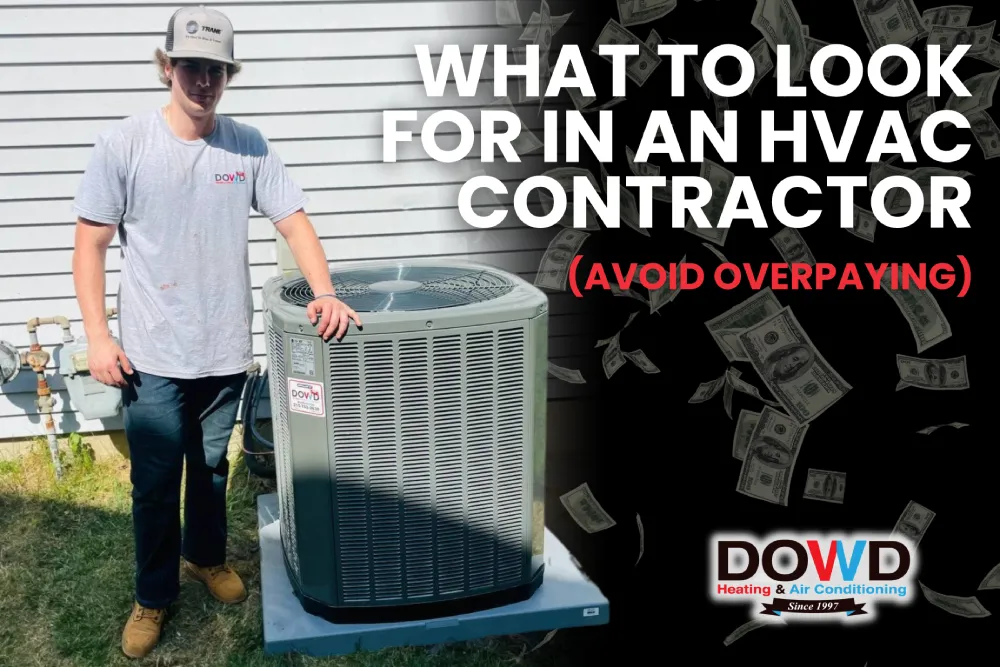
Hiring an HVAC contractor is one of those decisions homeowners often make under pressure. Your air conditioner stops cooling in the middle of a heat wave, or your furnace goes quiet on the coldest night of the year, and suddenly you’re calling the first company that answers the phone. That urgency is exactly when overpaying becomes easy, whether it’s a quote padded with unnecessary parts, a repair that should have been a simple fix, or a sales pitch pushing you toward a full system replacement you don’t actually need.
Knowing how to avoid overpaying for HVAC repair starts with knowing what separates a trustworthy HVAC company from one that’s more interested in upselling. Here’s what to look for before you sign off on any heating or cooling work.
Why Choosing the Right HVAC Contractor Matters
Your HVAC system is one of the more expensive components of your home, and the technicians who service it have a lot of influence over how much you spend, both in the moment and over the life of your equipment. A contractor who cuts corners on installation can leave you with a system that runs inefficiently for years. One who recommends replacement before it’s truly necessary can cost you thousands more than a straightforward repair would have. The right contractor, on the other hand, treats your budget and your equipment with equal respect.
Signs of a Trustworthy HVAC Contractor
Proper Licensing and Insurance
A licensed HVAC contractor should be able to show proof of state licensing and liability insurance without hesitation. Licensing confirms the technician has met minimum training and safety standards, and insurance protects you if something goes wrong during the job. If a company is vague about either one, that’s a reason to keep looking.
Transparent, Written Estimates
A dependable contractor puts pricing in writing before any work begins. The estimate should break down labor, parts, and any additional fees clearly enough that you understand exactly what you’re paying for. Verbal-only quotes or estimates that change significantly once the technician arrives are common tactics used to justify inflated pricing later.
Manufacturer Certifications (NATE, EPA, Trane)
Certifications from organizations like NATE (North American Technician Excellence) and the EPA indicate a technician has passed standardized testing on system diagnostics, refrigerant handling, and safety procedures. Manufacturer-specific training, such as being an authorized Trane dealer, means the technician has been trained directly by the equipment manufacturer on proper installation and service. These credentials aren’t just resume padding; they translate into fewer callbacks and more accurate diagnoses.
Clear Communication About Repair vs. Replacement
A contractor who takes the time to explain your options, including the pros and cons of repairing versus replacing your system, is one who respects your ability to make an informed decision. If a technician pushes hard for replacement without walking you through the reasoning or showing you the diagnostic results, ask more questions before agreeing to anything.
HVAC Red Flags That Could Mean You’re Overpaying
High-Pressure Sales Tactics
Phrases like “this deal is only good today” or “I can’t guarantee this price tomorrow” are designed to rush you past the comparison shopping that would normally protect you from overpaying. A legitimate HVAC company will give you time to review an estimate and get a second opinion if you want one.
Vague or Verbal-Only Quotes
If a contractor won’t put a price in writing, or the written estimate lacks detail about what’s actually included, treat that as a warning sign. Vague quotes leave room for the final bill to climb well past what you expected.
Unnecessary Upselling
Not every repair call needs to end with a recommendation for a full system replacement or an expensive add-on. Trustworthy technicians distinguish between what’s genuinely needed now and what could reasonably wait, rather than bundling in extras to increase the size of the invoice.
HVAC Contractor Questions to Ask Before You Hire
- Are you licensed and insured in my state?
- Can I get this estimate in writing before work begins?
- What certifications do your technicians hold?
- How did you diagnose this issue, and what are my repair options?
- Do you offer a warranty on parts and labor?
- Can you provide references or recent customer reviews?
A contractor who answers these HVAC contractor questions to ask directly, without hesitation or deflection, is generally one you can trust to price the job fairly.
Why Homeowners Trust Dowd Heating & Air Conditioning
At Dowd Heating & Air Conditioning, we’ve built our reputation across our service area — Montgomery County, PA, Bucks County, PA, Burlington County, NJ, Mercer County, NJ, Camden County, NJ, and Philadelphia County — on honest recommendations and affordable HVAC services, not high-pressure sales tactics. Our technicians are NATE and EPA-certified, and as a Trane-trained team, we bring manufacturer-level expertise to every air conditioning repair or heating repair call.
We provide written estimates before any work begins, explain repair and replacement options in plain language, and never add services you don’t need. For homeowners who want to stay ahead of costly breakdowns altogether, our maintenance plans help catch small issues before they become expensive ones, and our financing options make necessary repairs or replacements more manageable when the timing isn’t ideal.
As a family-owned company serving the region since 1997, we understand that trust is earned one honest interaction at a time, not through a single sales pitch.
Frequently Asked Questions
How do I know if an HVAC contractor is licensed and insured?
Ask the contractor directly for their license number and proof of insurance, and verify the license through your state’s licensing board if you want extra confirmation. A reputable company will provide this information without pushback.
What should a fair HVAC repair estimate include?
A fair estimate itemizes labor costs, the cost of any parts needed, and any service or diagnostic fees separately, so you can see exactly what you’re paying for rather than a single lump sum.
Why do HVAC quotes vary so much between companies?
Pricing differences often come down to the quality of parts used, technician experience and certifications, warranty coverage, and whether the company is recommending only necessary work. A significantly lower quote sometimes reflects lower-quality parts or an incomplete diagnosis.
Is it normal for a contractor to recommend replacement instead of repair?
It can be, particularly for older systems facing frequent breakdowns or costly repairs, but a trustworthy contractor will explain the reasoning behind that recommendation and show you the diagnostic findings rather than simply asserting that replacement is necessary.
What certifications should I look for in an HVAC technician?
Look for NATE certification and EPA certification at minimum, along with any manufacturer-specific training relevant to your equipment brand, such as Trane-authorized training.
How can I avoid unnecessary upselling from an HVAC company?
Ask the technician to explain exactly why each recommended service is needed now versus something that could wait, and don’t hesitate to request a second opinion on any large or unexpected expense.